
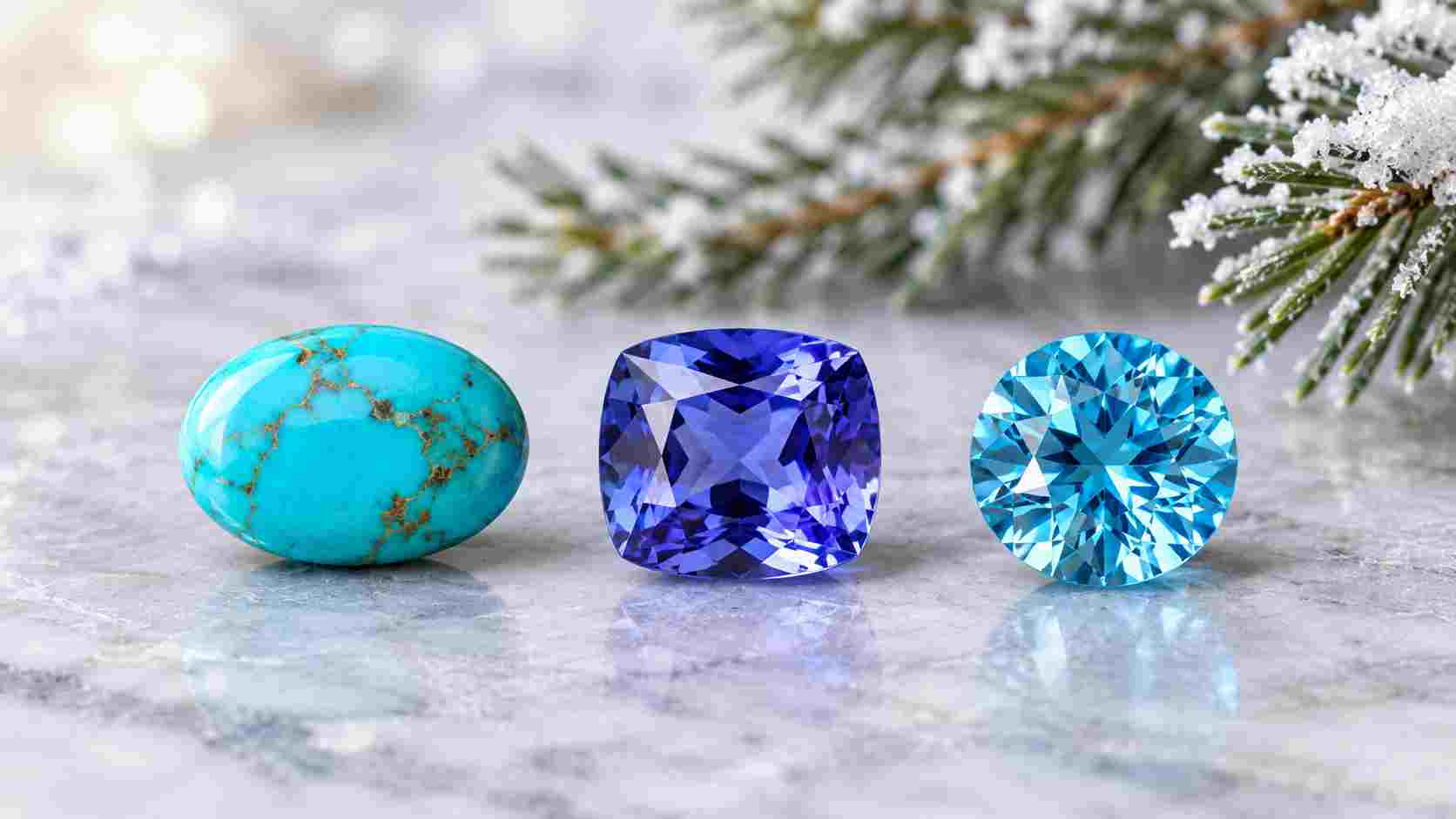
December birthdays come with a choice most months don’t get: not one stone, but several, all in shades of winter blue. That’s great news for gift-givers, until you realize the options behave very differently once they’re set in a ring or a pair of earrings.
What is December’s birthstone? The December birthstone list includes three gems: turquoise, tanzanite and zircon. Blue topaz is also widely sold as a birthstone for December. All of them come in blue, which is why the December birthstone color is blue. They differ in hardness, treatments and care, which decides where each one wears best.
Quick Answer: December has three birthstones: turquoise (opaque sky blue to green-blue, Mohs 5–6), tanzanite (transparent violet-blue, Mohs 6–7, found only in Tanzania) and zircon (brilliant blue and many other colors, Mohs 6–7.5). Blue topaz is a popular fourth option. Clean all three main stones with warm, soapy water only; ultrasonic and steam cleaners are not recommended for any of them.
Key Takeaways
- The three December birthstones are turquoise, tanzanite and zircon; blue topaz is a common extra choice.
- The December birthstone color is blue, from sky blue turquoise to violet-blue tanzanite.
- Turquoise is the softest (Mohs 5–6) and can absorb oils and cosmetics.
- Tanzanite is mined commercially only in the Merelani Hills of Tanzania.
- Zircon is a natural gem, not the same as cubic zirconia.
- No ultrasonic or steam cleaning for turquoise, tanzanite or zircon.
What Is December’s Birthstone?
December’s birthstones are turquoise, tanzanite and zircon, according to GIA, and blue topaz is also listed as a December birthstone by GIA and many jewelers. GIA’s December guide notes that all three main stones have their own take on the color blue, so you can choose the one that best fits your style and budget.
Turquoise is the oldest of the three in jewelry history. Zircon followed, and GIA explains that zircon became a December birthstone because it comes in blues similar to turquoise. Tanzanite is the newest: a Gems & Gemology report from GIA states that it was named a December birthstone in 2000, at the height of its popularity. Some retail sources give 2002 instead, so expect to see both years.
What Is the December Birthstone Color?
The December birthstone color is blue: sky blue to green-blue for turquoise, violet-blue for tanzanite, and bright blue for zircon and blue topaz. Zircon also comes in many other colors, including yellow, green, red and brown, so December birthdays aren’t limited to blue.
| Birthstone | Typical December color | Transparency |
|---|---|---|
| Turquoise | Sky blue to green-blue, often with brown or black veining (matrix) | Opaque |
| Tanzanite | Violet-blue to bluish violet | Transparent |
| Zircon | Bright blue (also colorless, yellow, green, red, brown) | Transparent, very brilliant |
| Blue topaz | Sky, Swiss or London blue | Transparent |
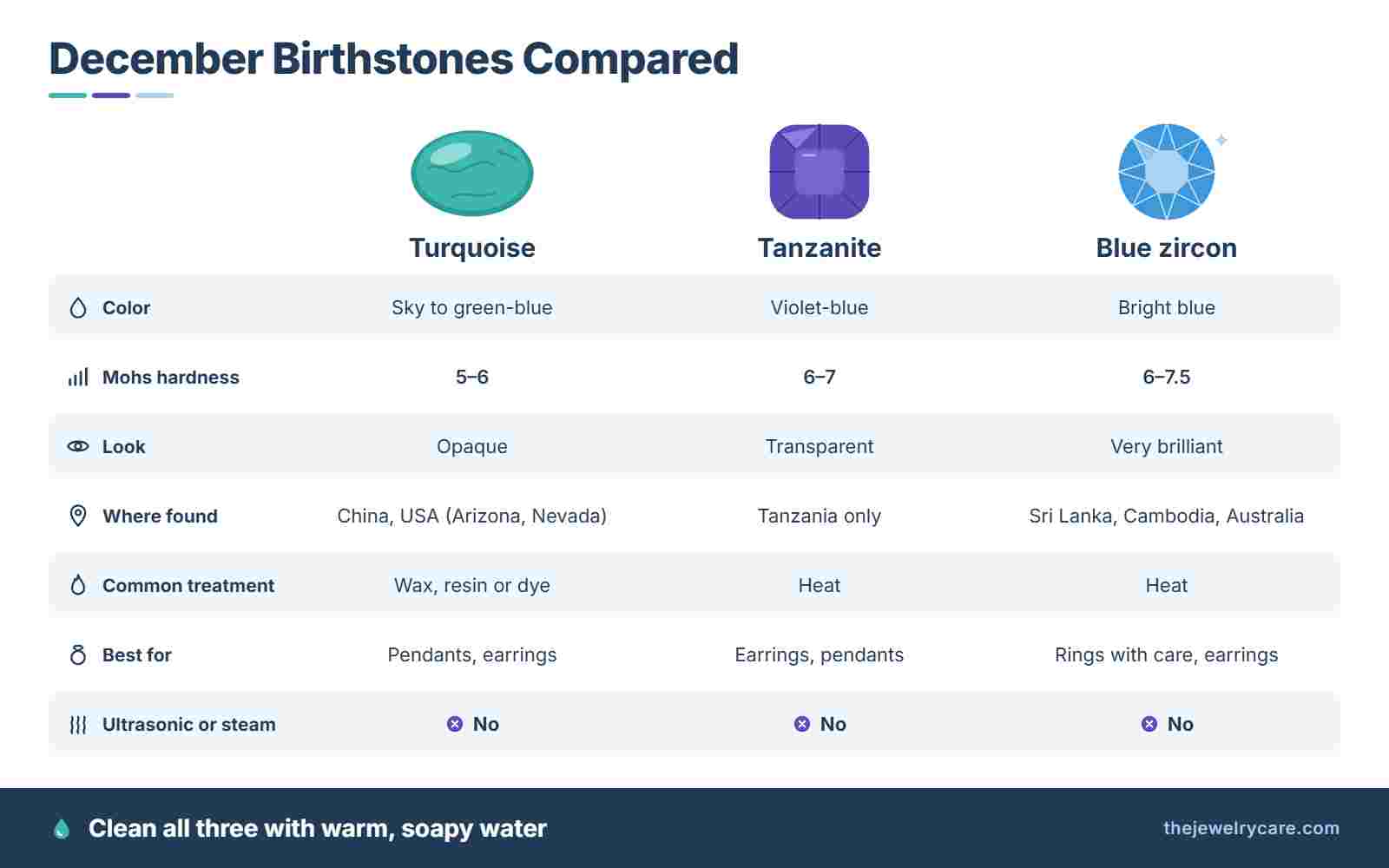
The infographic below compares all three main December birthstones at a glance.
Turquoise: The Classic Birthstone for December
Turquoise is an opaque blue to green-blue gem, colored by copper, with a Mohs hardness of 5 to 6, which makes it the softest December birthstone. GIA traces the name to the French pierre tourques, or “Turkish stone,” because the material likely first reached Europe through Turkish sources. It also adorns the funerary mask of King Tutankhamun.
Turquoise has a long history in the American Southwest, where Native American peoples used it in ceremony, trade and jewelry. GIA notes that most US turquoise now comes from Arizona and Nevada, while China, especially Hubei Province, is the world’s largest producer.
Is Most Turquoise Treated?
Much of the turquoise on the market is treated to improve its durability, color or polish, usually with wax, polymer, epoxy or acrylic resin, and some is dyed. These treatments are common and accepted when disclosed. Ask the seller whether a piece is natural, stabilized (resin-treated) or dyed, since this affects value.
Turquoise is also imitated. Other minerals, such as variscite, can resemble it, and some materials are dyed to look like turquoise. A reputable seller should describe what you’re buying clearly.
How Do You Care for Turquoise?
Clean turquoise only with warm, soapy water and a soft cloth, and never use ultrasonic or steam cleaners. GIA warns that turquoise can be damaged by acids and discolored by certain chemicals, cosmetics and even skin oil or sweat, and that high heat can cause discoloration and breakage. Put turquoise on after lotion and perfume, and wipe it after wearing.
Turquoise is very often set in sterling silver. Clean the silver carefully around the stone, without dips or soaking; our guide to clean silver jewelry explains which methods are safe near porous stones, and our guide to sterling silver tarnish explains why the setting darkens.
Tanzanite: The Newest December Birthstone
Tanzanite is the transparent violet-blue to bluish violet variety of the mineral zoisite, rated 6 to 7 on the Mohs scale, and it is mined commercially in only one place: the Merelani Hills of northern Tanzania. GIA explains that the primary source was located in 1967 and that Tiffany & Co. named the gem in honor of Tanzania, then launched a major campaign to promote it in 1968.
Tanzanite’s color comes from trace amounts of vanadium, according to the U.S. Geological Survey, which also identifies Merelani as the world’s only source. Tanzanite is pleochroic, meaning it shows different colors (blue, violet and sometimes reddish tones) when viewed from different directions. It is also the gem for the 24th wedding anniversary.
Is Tanzanite Heat-Treated?
Yes. Most tanzanite starts as brownish zoisite and is heat-treated to produce its blue to violet color; the result is permanent and adds no durability concerns. Heat treatment is standard for this gem, so an untreated violet-blue tanzanite is unusual.
Can You Wear Tanzanite Every Day?
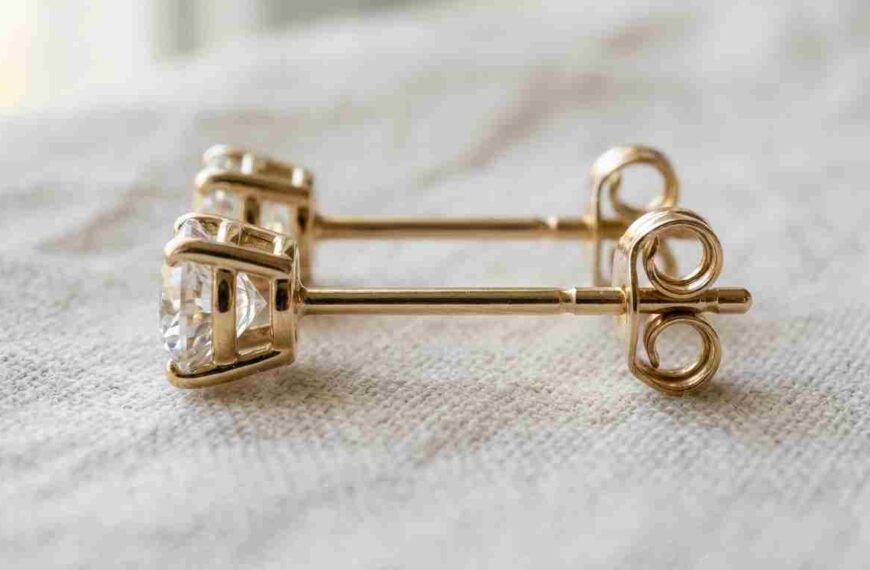
Tanzanite is best for earrings and pendants; GIA does not recommend it for daily wear in a ring unless it has a protective setting. It abrades easily and can crack with very high heat or sudden temperature changes. Clean it only with warm, soapy water; ultrasonic and steam cleaners are never recommended. Tanzanite studs are a popular choice, and our guide to post earring backs helps you choose a secure one.
Zircon: The Most Brilliant December Birthstone
Zircon is a natural gemstone with a Mohs hardness of 6 to 7.5, prized for its brilliance and fire; blue is the color most linked to December. It comes in yellow, green, red, orange, brown and blue, and sources include Sri Lanka, Cambodia, Thailand, Tanzania and Australia’s Harts Range.
Zircon is dense, with a specific gravity of 3.90 to 4.73, so a zircon looks smaller than a lighter gem of the same carat weight. Most blue and colorless zircon is heat-treated. GIA notes that some heat-treated zircon can slowly revert toward its original light brown after long exposure to bright light.
Is Zircon the Same as Cubic Zirconia?
No. Zircon is a natural mineral (zirconium silicate), while cubic zirconia (CZ) is a man-made diamond simulant (zirconium oxide). The similar names cause confusion, but they are different materials with different properties and prices. A blue zircon birthstone is a genuine natural gem.
How Do You Care for Zircon?
Clean zircon with warm, soapy water and a soft brush, store it separately, and avoid wearing it during rough work. Zircon is hard but brittle, so facet edges can chip or wear when they rub against other gems. Avoid ultrasonic and steam cleaners, and take zircon rings off for gardening, sports or washing dishes.
Is Blue Topaz a December Birthstone?
Yes. GIA lists blue topaz as a December birthstone, while golden to orange precious topaz belongs to November. Most blue topaz is colorless topaz that has been irradiated and heated to turn it blue. It is harder than the three main December stones (Mohs 8) and usually affordable. Our November birthstone guide explains blue topaz treatment, safety and care in detail.
How Do You Choose the Right December Birthstone?
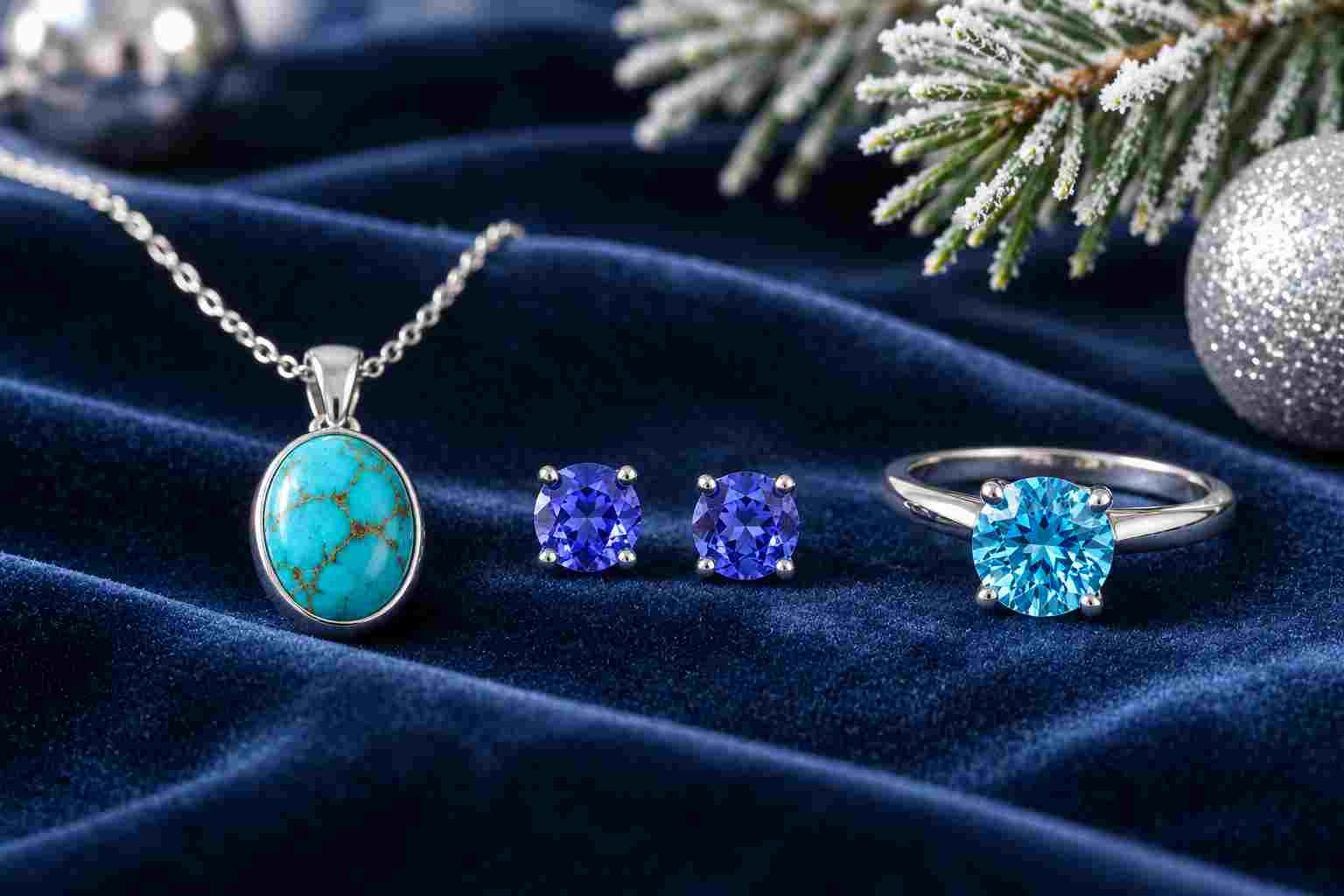
Choose tanzanite for a rich violet-blue in earrings or a pendant, zircon for sparkle at a lower price, turquoise for a classic opaque blue, and blue topaz for the most durable everyday ring. Your lifestyle and the type of jewelry matter as much as color.
| If you want… | Best December birthstone | Why |
|---|---|---|
| An everyday ring | Blue topaz, or zircon in a protective setting | Higher hardness; zircon needs care at the edges |
| Earrings or a pendant | Tanzanite or turquoise | Fewer knocks than rings |
| The most brilliance | Zircon | Strong fire and sparkle |
| A rare, single-source gem | Tanzanite | Mined commercially only in Tanzania |
| A classic, casual or Southwestern look | Turquoise | Opaque blue, often set in silver |
| A budget-friendly gift | Blue topaz or zircon | Widely available in good sizes |
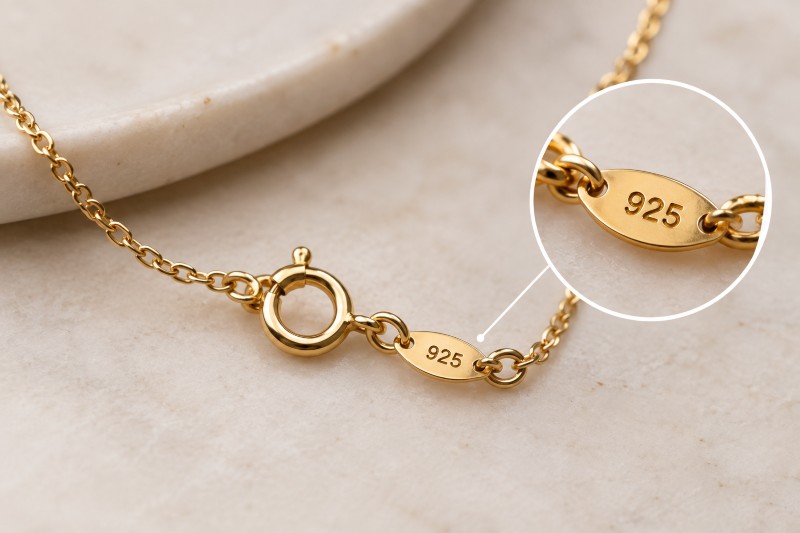
For a ring, measure the finger first with our guide to measure ring size, and choose a protective bezel or halo setting for softer stones. A December birthstone can also be a meaningful alternative for a promise ring; our guide to promise vs engagement rings explains the difference. Birthstone pendants suit men too, as our men’s pendant guide shows, and a line of blue stones makes a striking tennis bracelet. If you’re buying in gold, check the karat stamp using our guide to spotting real gold.
Jeweler’s Tip: Ask for any treatment to be written on the receipt. Stabilized turquoise, heat-treated tanzanite and heat-treated zircon are all normal, but you should know exactly what you’re buying.
How Do You Clean December Birthstones?
Clean turquoise, tanzanite and zircon with warm water, a few drops of mild soap and a soft cloth or brush, and never use ultrasonic or steam cleaners on any of them. Here’s how care differs between the three.
| Care step | Turquoise | Tanzanite | Zircon |
|---|---|---|---|
| Warm, soapy water | Yes, quick wipe; don’t soak | Yes | Yes |
| Ultrasonic cleaner | No | No | No |
| Steam cleaner | No | No | No |
| Heat and sudden temperature changes | Avoid; can discolor or crack | Avoid; can crack | Avoid; can change color |
| Chemicals, cosmetics, skin oil | Avoid; can discolor and absorb | Avoid strong acids | Generally stable |
| Storage | Separately; scratches easily | Separately; abrades easily | Separately; edges chip |
Notice the contrast with diamonds, which can often go in an ultrasonic cleaner, as our guide to cleaning a diamond ring explains. For earrings, the gentle routine in our guide on how to clean earrings works well, but skip alcohol on turquoise.
Stop! Don’t do this. Never put turquoise, tanzanite or zircon in an ultrasonic or steam cleaner, never soak turquoise, and never wear tanzanite or zircon rings for gardening, sports or heavy work. Each of these can crack, chip or discolor the stone permanently.
December Birthstone Myths vs Facts
| Myth | Fact |
|---|---|
| “December has only one birthstone.” | December has three main birthstones, turquoise, tanzanite and zircon, plus blue topaz. |
| “Zircon is the same as cubic zirconia.” | Zircon is a natural mineral; cubic zirconia is a man-made simulant. |
| “Tanzanite is mined all over Africa.” | It is mined commercially only in the Merelani Hills of Tanzania. |
| “Turquoise is as tough as other gems.” | At Mohs 5–6, it’s the softest December birthstone and absorbs oils and chemicals. |
| “Heat-treated stones are fake.” | Heat treatment is standard for tanzanite and blue zircon and is permanent. |
Frequently Asked Questions About the December Birthstone
What is the birthstone for December?
The birthstone for December is turquoise, tanzanite or zircon. GIA lists all three, and blue topaz is also listed as a December birthstone. Turquoise is the classic choice, tanzanite is the newest, and zircon is the most brilliant. All three come in blue, so you can choose by style, budget and how you’ll wear it.
What is the December birthstone color?
The December birthstone color is blue. Turquoise ranges from sky blue to green-blue, tanzanite from violet-blue to bluish violet, and zircon and blue topaz from light to deep blue. Zircon also comes in yellow, green, red and brown, giving December birthdays even more choices.
Which December birthstone is the most expensive?
Fine tanzanite is usually the most valuable of the three, because it comes from a single source and fine color is rare in larger sizes. GIA notes that tanzanite needs to be above about five carats to show its finest color. High-quality natural turquoise from historic mines can also command high prices [VERIFY].
Which December birthstone is best for a ring?
Blue topaz is the most durable choice for an everyday ring. Zircon also works in a protective setting. Tanzanite and turquoise are softer, so they are better in earrings and pendants or in rings worn for special occasions with a protective bezel or halo.
Can turquoise get wet?
Turquoise can handle a quick wipe with warm, soapy water, but it should not be soaked or worn in the shower, pool or hot tub. It can absorb water, soap, oils and chemicals that may change its color. Dry it right away with a soft cloth.
Is tanzanite rarer than diamond?
Tanzanite comes from a single small mining area in Tanzania, while diamonds are mined in many countries. In that sense its source is far more limited. Value depends on quality, though, and fine diamonds generally cost more per carat than fine tanzanite [VERIFY].
Can I add a December birthstone to permanent jewelry?
Many permanent jewelry studios offer small birthstone charms that can be welded onto a chain. Ask whether the stone is genuine tanzanite, zircon or turquoise, or a glass or cubic zirconia stand-in. Our guide to permanent jewelry explains how studios fit these pieces.
Choosing Your December Birthstone With Confidence
The December birthstone gives you three blue choices, turquoise, tanzanite and zircon, plus blue topaz for the toughest everyday wear. Pick the stone that matches your style and how you’ll wear it, ask about treatments, choose protective settings for softer gems, and clean them all with warm, soapy water instead of ultrasonic or steam cleaners. Cared for this way, a December birthstone will keep its winter blue for years. For November gifts, read our November birthstone guide next.

 By