
Many men wonder whether a pendant actually fits their look, or if it’s a piece of jewelry better left to someone else. It isn’t. Men have worn pendants for centuries, and in 2026 they’re more mainstream than ever. Here’s a full, no-nonsense guide to wearing one with confidence — from choosing the right material to matching it with the rest of your wardrobe.
Understand the Appeal of Pendants for Men
Pendants aren’t a “women’s accessory” that men occasionally borrow — they’re a genuine style tool in their own right. A well-chosen pendant lets you express personality, faith, or interests without saying a word. It adds a small but noticeable layer of character to both casual and formal outfits, and unlike bolder jewelry, it rarely feels out of place once it’s sized and styled correctly.
Some necklaces come with the pendant built in, which makes styling simple. Others let you swap pendants onto the same chain, so you can change the look without buying a whole new piece.
Choose the Right Pendant Material
Material affects both how a pendant looks and how long it lasts, so it’s worth thinking through before anything else.
- Gold brings warmth and a polished, dressier feel — good for pieces you want to feel a bit more elevated.
- Silver is cooler-toned and versatile, working with almost any outfit or skin tone.
- Stainless steel and titanium are the most practical everyday choices — scratch-resistant, hypoallergenic, and low-maintenance, which is why they’ve become so popular for men’s daily-wear jewelry.
Pick a material that fits how often you’ll actually wear the pendant. A piece you’ll wear daily should prioritize durability over anything delicate.
Select a Pendant Size That Fits Your Frame
Size is where a lot of men go wrong. A pendant that’s too small on a larger frame can look like it’s missing; one that’s too large on a slighter build can overwhelm the rest of the outfit.
- Small pendants feel understated — good for subtle, everyday wear.
- Medium pendants are the safest choice for most casual and work outfits.
- Large pendants make a deliberate statement and suit men who want their jewelry to be noticed.
Factor in your neck size and body frame, not just the pendant on its own, to avoid awkward proportions.
Pick Shapes That Suit a Masculine Style
Shape has a bigger impact on how “masculine” a pendant reads than material or size does.
- Geometric shapes — squares, rectangles, hexagons — feel modern and bold.
- Circular or oval pendants lean classic and versatile, easy to dress up or down.
- Dog tags and bar pendants carry a rugged, no-frills masculinity.
- Initial pendants are a simple, personal option that pairs with nearly any outfit.
Choosing a shape that matches your general style — minimalist, rugged, classic — keeps the whole look cohesive instead of feeling random.
Consider Gemstones and Designs for Men
Gemstones aren’t off-limits for men — they just tend to work best in muted, grounded tones rather than bright or delicate ones.
- Black onyx, hematite, and tiger’s eye give an edgy, masculine finish.
- Clean, minimalist settings keep gemstone pendants sophisticated rather than flashy.
- Engraved or symbolic designs let you add personal meaning without the piece feeling overdone.
The goal is a design that feels intentional, not decorative for its own sake.
Match the Pendant with the Right Chain
The chain does more work than people give it credit for. A heavy pendant on a thin chain looks unbalanced and puts strain on the links; a small pendant on a thick chain gets visually lost.
- Thicker chains (curb, figaro, Cuban link) support larger or heavier pendants.
- Thinner chains (box, cable) suit small-to-medium pendants best.
- Shorter chains keep the pendant near the collarbone for a refined, closer look.
- Longer chains create a more relaxed, casual drop.
Also check the clasp. A secure lobster clasp or spring ring is a small detail that determines whether your chain lasts years or breaks within months.
Coordinate Pendants with Your Outfits
A pendant should feel like part of the outfit, not an accessory tacked on at the last minute.
- Casual outfits — t-shirts, henleys, open collars — work well with leather cord or stainless steel chains.
- Formal shirts pair better with subtle gold or silver pendants that don’t compete with the collar.
- Layering multiple pendants can look great, but only when chain lengths are staggered and metals match — otherwise it reads as cluttered rather than styled.
Consider the Occasion
Not every pendant is right for every setting, and thinking about occasion upfront saves you from styling mistakes later.
- Daily wear calls for something lightweight, durable, and low-maintenance.
- Formal events allow for more elegant metallic finishes or subtle gemstone accents.
- Travel and sports call for secure, snag-resistant pendants on shorter chains.
Matching the pendant to the moment is just as important as matching it to your outfit.
Evaluate Weight and Comfort
A pendant you’re constantly adjusting or that feels heavy by midday is one you’ll eventually stop wearing. Heavier pendants can strain the neck or restrict movement over a full day, while lightweight materials like stainless steel offer comfort without sacrificing durability. Comfort isn’t a minor detail — it’s what determines whether a pendant becomes a daily habit or sits in a drawer.
Check Quality and Craftsmanship
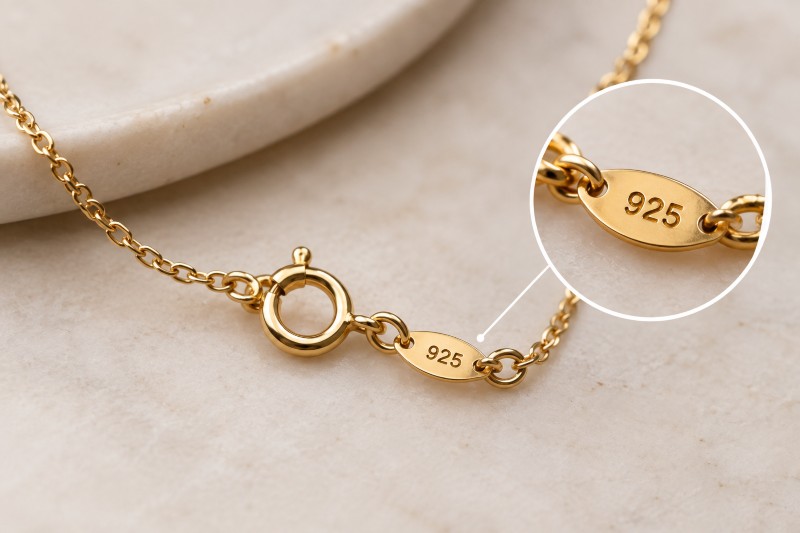
Before buying, look closely at the edges, polish, and any stone settings. Poor craftsmanship shows up fast — rough edges catch on clothing, and loose settings mean lost stones. Secure clasps and reinforced connections prevent the most common type of jewelry damage: a chain that snaps at the weakest link. If the pendant involves precious metal, check for hallmarks or certification. Spending a bit more upfront on quality construction almost always costs less over time than replacing a poorly made piece.
Consider Pendant Versatility
If you only want to own one or two pendants, versatility matters more than novelty. Neutral metals — silver or gold — fit casual, business, and evening settings without needing to be swapped out. Simple, uncluttered designs are also easier to layer later if you decide to build out a small collection. Highly thematic or ornate pendants look great in isolation but tend to limit how often you can actually wear them.
Follow the Trends — Without Chasing Them
Current men’s pendant trends lean toward minimalist designs, dog tags, geometric shapes, and layered chains, alongside a steady interest in vintage and nature-inspired pieces. Staying aware of these trends helps you keep your look current, but the pendants that age best in your wardrobe are usually the ones chosen for personal fit rather than passing style.
Maintenance
A little maintenance goes a long way toward keeping a pendant looking sharp for years.
- Wipe metals down after wearing them, especially if you sweat.
- Store pendants separately — a pouch or lined box prevents scratching and tangled chains.
- Avoid harsh chemicals, chlorine, and rough handling.
- Stainless steel needs almost no upkeep, while gold and silver benefit from occasional polishing to prevent tarnish.
Final Thoughts on Men Wearing Pendants
Men can wear pendants with just as much confidence as anyone else — the key is choosing the right material, size, shape, and chain for your frame and lifestyle. Get those fundamentals right, coordinate the piece with your outfits and the occasion, and take basic care of it, and a pendant stops being a question mark and becomes a genuine part of how you present yourself. Whether it’s a subtle initial on a thin chain or a bold medallion on a Cuban link, the right pendant lets you say something about yourself without saying a word.

 By
By