
The Immediate 3-Step Solution for Cleaning Your Gold Chain Safely
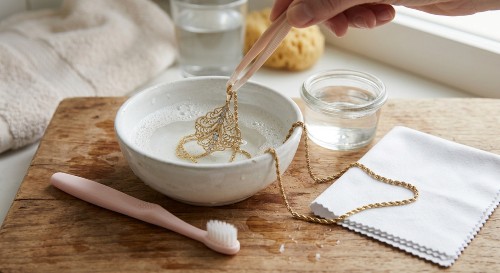
To safely restore brilliant luster to a solid gold, gold-filled, or gold-plated chain without damaging delicate links or loosening clasps, follow this gemologist-approved home cleaning protocol:
The Safe Gold Chain Cleaning Cycle
Soak
Warm Water + Mild Dish Soap
15–20 minutes to loosen oils and surface buildup.
Gentle Brush
Soft-Bristle Baby Toothbrush
Brush gently downward along the chain links.
Rinse & Dry
Towel-Covered Drain
Rinse carefully and dry with a lint-free microfiber cloth.
- The Gentle Soak: Submerge your gold chain in a bowl of warm water (roughly $100^{\circ}\text{F}$ / $38^{\circ}\text{C}$) mixed with $2\text{–}3$ drops of mild, sodium-lauryl-sulfate-free dish soap for 15 to 20 minutes. This softens accumulated sebum, hairspray, and body lotion trapped between interlocking links.
- The Precision Clean: Remove the chain and gently sweep between link crevices using an ultra-soft baby toothbrush held vertically. Brush downwards in line with the weave pattern—never across it—to avoid pulling or stretching delicate soldering.
- The Trap-Rinse & Thermal Dry: Place a mesh strainer or plush towel over your sink drain, rinse under lukewarm running water, and pat dry with a clean microfiber cloth. Allow the chain to lay flat on a dry towel for 30 minutes to eliminate hidden moisture within link cavities.
At The Jewelry Care, maintaining the structural integrity and optical radiance of fine precious metals is our core obsession. While gold itself does not oxidize or tarnish the way sterling silver does, everyday wear leaves a persistent organic film composed of sweat, skin oil, dead skin cells, sunscreen, and particulate dirt.
Because a necklace chain contains dozens—sometimes hundreds—of tiny interlocking metal friction points, improper cleaning methods can cause link abrasion, weakened spring rings, or stretched metal. Below, we break down exact protocols tailored to specific link weaves, karat purities, and metal construction types.
Anatomy of Chain Buildup: Why Gold Chains Lose Their Luster
To clean a chain effectively, you must understand what causes its dullness in the first place. Pure 24K gold is inert and does not react with oxygen. However, fine jewelry is alloyed with base metals like copper, nickel, silver, and zinc to increase durability.
Optical Light Blockade
Surface buildup can interfere with how light reflects from the metal, making the chain appear flatter, duller, or muddy.
Increased Friction & Wear
Abrasive particles trapped between moving links can increase friction and contribute to surface wear over time.
Unlike gold, which primarily dulls due to surface oils and skin debris, silver reacts directly with atmospheric sulfur—to understand how different precious metals age and tarnish, learn more about what a silver bracelet is composed of and how its alloy properties dictate its care routine.
Step-by-Step Cleaning Protocols by Chain Type
Competitor guides often suggest a single “one-size-fits-all” cleaning routine. However, a heavy solid Cuban link chain requires a very different approach than a hollow rope chain or a flat herringbone weave.
1. Solid Heavy Links (Cuban, Figaro, Mariner, Franco)
Solid link chains feature substantial metal mass and withstand standard soaking and light brushing well.
- Protocol:Soak in warm water and mild dish soap for 20 minutes. Use an ultra-soft toothbrush to clean both the front face and the underside of each link. Pay extra attention to the end loops where the chain joins the lobster clasp.
- Pro Tip: Lay Cuban and Figaro chains flat on a microfiber towel while brushing. Brushing while holding them in mid-air can cause sudden twisting that stretches the inner wire loops.
2. Complex Twisted & Grooved Weaves (Rope, Wheat, Singapore)
Twisted chains feature continuous spiral channels that hold onto oils, dust, and lint.
- Protocol: Increase soak time to 25 minutes to allow the soap solution to fully penetrate inner helical crevices. Hold the chain vertically by its clasp and run soft bristles downward along the spiral grain. Never rub back and forth across the weave.
- Pro Tip: Inspect the spiral grooves under bright light. If trapped debris remains, use a soft wooden toothpick held at a shallow $15^{\circ}$ angle to gently lift the debris out without scratching the metal surface.
3. Delicately Soldered & Kink-Prone Weaves (Herringbone, Omega, Snake)
Herringbone and snake chains consist of slanted metal plates mounted tightly on an inner wire core. They are notoriously susceptible to permanent kinking, bending, or link distortion.
- Protocol:Do NOT scrub with a brush. Brushing can catch on the edge of a plate link and cause a permanent kink. Instead, soak the chain in soapy water for 15 minutes, then gently roll it between two fingers inside a soft microfiber cloth.
- Pro Tip: Always store herringbone and snake chains completely flat or hung vertically on a jewelry tree. Once a herringbone link bends, it cannot be straightened back to a smooth finish at home.
4. Hollow Gold Chains
Hollow chains give you a bold, thick look at a lighter weight and price point, but they feature hollow inner chambers that require special handling.
- Protocol: Limit water exposure. Do not submerge a hollow chain for more than 5 minutes. Water can enter micro-seams along the links, getting trapped inside and causing long-term structural weakness or mold growth.
- Pro Tip: Dry hollow chains thoroughly using a low heat hair dryer set 12 inches away, or leave them on a warm towel near a window for at least two hours.
Tailored Cleaning Protocols by Karat & Plating Type
| Gold Composition | Vulnerability Profile | Recommended Cleaning Method |
|---|---|---|
| 10K–14K Gold | Higher alloy content can make the metal more susceptible to certain chemical reactions and surface changes. | Soak in mild soap and warm water, followed by gentle brushing with a soft toothbrush. |
| 18K–22K Gold | Higher gold content makes the alloy relatively softer, increasing the risk of scratches. | Use a mild soap soak and microfiber cloth for drying and wiping. Avoid vigorous brushing. |
| White Gold | Rhodium plating can gradually wear down with repeated friction and abrasive cleaning. | Use an ultra-mild soap soak and gentle handling. Avoid abrasives and aggressive polishing. |
| Gold-Plated / Vermeil | The gold surface layer is relatively thin and can wear away with repeated rubbing or prolonged exposure. | Use a brief gentle wipe or rinse. Never scrub or leave the piece soaking for long periods. |
Before choosing a cleaning duration or brush type, it is critical to confirm your piece’s metal purity—if you are unsure whether your piece is solid, filled, or plated, consult our guide on how to tell if a necklace is real gold so you don’t accidentally strip a surface finish.
10K & 14K Yellow & Rose Gold
Containing $41.7\%$ and $58.5\%$ pure gold respectively, these everyday alloys are durable. However, their higher copper and silver content makes them susceptible to chemical dulling from pool chlorine and sulfur-based lotions. Soak in warm soapy water and clean with a soft toothbrush.
18K & 22K Fine Gold
With $75\%$ to $91.6\%$ pure gold content, these pieces are noticeably softer. Even medium toothbrush bristles can leave micro-scratches on 22K gold over time. Skip the toothbrush entirely and clean using only warm soapy water and a soft microfiber cloth.
White Gold (Rhodium Plated)
White gold is made by alloying yellow gold with white metals, then finishing it with a thin surface layer of bright rhodium plating. Scrubbing white gold too hard wears away this plating, exposing the slightly yellowish gold beneath. Stick to brief soapy soaks and gentle pat-drying.
Gold-Plated, Gold-Filled & Gold Vermeil
- Gold-Plated / Vermeil: Features a micro-thin layer of gold electroplated over brass, copper, or sterling silver. Never soak for more than 3 minutes, and never scrub with a toothbrush. Wipe gently using a lint-free damp cloth.
- Gold-Filled: Features a thicker, heat-bonded layer of solid gold. It handles gentle 10-minute soapy soaks well, but should be kept away from harsh commercial cleaners.
5 Dangerous Cleaning Hacks That Silently Ruin Gold Chains
Internet DIY trends frequently promote household kitchen hacks that can permanently damage fine jewelry. Here is what to avoid and why:
| Avoided Method | Potentially Affects | Why to Avoid It |
|---|---|---|
| Toothpaste | Gold surface | Many toothpastes contain abrasive particles that can create fine scratches on relatively soft gold surfaces. |
| Ultrasonic Cleaners | Hollow links & delicate clasps | Strong ultrasonic vibration can be unsuitable for some hollow jewelry, loose settings, delicate components, or damaged pieces. |
| Baking Soda & Vinegar Baths | Solder joints & sensitive alloys | Homemade chemical mixtures can react unpredictably with certain metals, finishes, and jewelry components. |
| Chlorine Bleach | Gold alloys & soldered areas | Chlorine-containing chemicals can damage or weaken certain jewelry alloys and soldered connections. |
| Boiling Hot Water | Gemstones & delicate settings | Sudden or extreme temperature changes can stress some gemstones, treatments, settings, and delicate components. |
- Toothpaste: Many blogs suggest using toothpaste to polish gold. Toothpaste contains silica or calcium carbonate particles designed to scrub tooth enamel. On gold, these particles act like fine sandpaper, dulling mirror finishes and removing gold plating.
- Ultrasonic Machines on Hollow or Aged Chains: Ultrasonic cleaners work by cavitation—sending high-frequency sound waves through water to create tiny popping bubbles. While safe for solid cast diamond rings, these vibrations can pop seams in hollow chains, fracture solder joints, and ruin delicate spring-ring clasps.
- Baking Soda & Vinegar Volcanic Reactions: Mixing baking soda and vinegar creates a bubbling carbon dioxide reaction. The acidity of vinegar combined with abrasive baking soda crystals can pit lower-karat gold alloys and damage gemstone accents.
- Household Chlorine Bleach: Chlorine is the primary chemical enemy of gold alloys. It reacts with the copper and nickel inside 10K–14K gold, causing a structural failure known as stress corrosion cracking. Never wear gold chains in chlorinated swimming pools or use bleach-based cleaning products while wearing them.
- Boiling Hot Water: Pouring boiling water over cold gold creates rapid thermal expansion. This thermal shock can crack gemstone pendants (like emeralds, opals, or pearls), melt clasp lubrication, and warp thin links. Always stick to warm, hand-safe water.
How to Clean Pendants, Clasps, and Gemstone Accents
A necklace chain rarely exists on its own. You must also care for its clasp mechanism and any attached pendants.
If your gold chain features an integrated diamond pendant, you can use the same mild dish soap method; for standalone diamond pieces, review our step-by-step breakdown on how to clean diamond earrings safely without loosening prong settings.
Clasp Mechanics (Spring Rings & Lobster Claws)
The internal mechanism of a lobster claw or spring-ring clasp relies on a tiny, non-gold stainless steel spring.
- When cleaning, open and close the clasp two or three times while submerged in soapy water to flush out trapped dirt.
- Crucial Step: After rinsing, blow air directly into the clasp opening or use a low-heat blow dryer to ensure no moisture stays trapped around the internal spring. Trapped water can rust the inner steel spring, causing the clasp to fail and risk losing your chain.
Gemstone & Organic Accent Rules
If your gold chain includes integrated gemstones or a non-removable pendant, adjust your cleaning approach based on the stone type:
- Hard Faceted Stones (Diamonds, Sapphires, Rubies):Safe to soak using the standard warm water and mild dish soap method. Clean behind the stone settings with a soft brush where oils gather.
- Porous & Organic Materials (Pearls, Turquoise, Emeralds, Opal, Coral):Do not submerge. Soap and warm water can strip natural oils, discolor porous stones, or dissolve the glues securing settings. Wipe the gold chain sections carefully with a damp cloth, avoiding contact with the stones.
Preventative Care and Storage to Prevent Tangles and Kinks
Cleaning your chain is only half the battle; proper storage keeps it safe and tangle-free.
| Daily Habit | Purpose & Benefit |
|---|---|
| The “Last On, First Off” Rule | Put jewelry on after hairspray, perfume, lotions, and cosmetics. Remove it before applying or using these products to reduce residue buildup on metal links. |
| Post-Wear Microfiber Wipe | Gently wipe the jewelry after wearing it to remove fresh body oils and sweat before they accumulate into a stubborn surface film. |
| Fasten the Clasp Before Storing | Closing the clasp helps keep the end connector from catching on nearby links and can reduce tangling and knots. |
| Vertical or Flat Micro-Pouch Storage | Store delicate chains separately in a flat or vertical micro-pouch to help prevent kinking, especially with herringbone and snake-chain designs. |
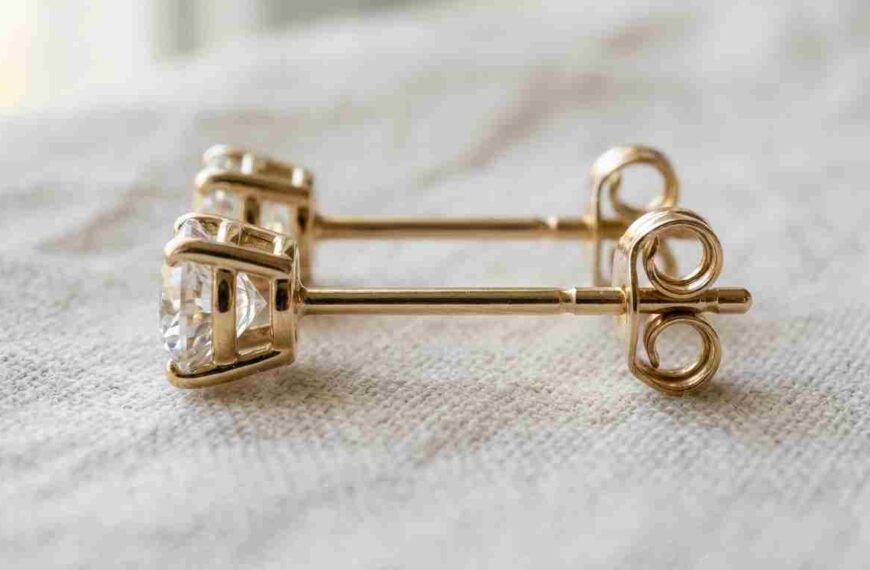
Always store fine gold chains in separate compartments away from items with sharp friction points—for instance, rigid backings found on post earrings can easily scratch smooth chain links or snag delicate weaves if tossed together in the same dish.
At The Jewelry Care, we recommend treating your fine gold jewelry like luxury apparel. Following these simple habits makes deep cleaning far easier:
- The “Last On, First Off” Rule:Put your gold chain on after applying makeup, perfume, lotion, and hairspray. Take it off first before starting your evening skincare routine.
- Nightly Microfiber Wipe: Spend 10 seconds wiping down your chain with a dry microfiber polishing cloth after taking it off. This removes fresh body oil before it hardens into link joints.
- The Drinking Straw Storage Trick: Traveling with thin gold chains often leads to frustrating knots. Thread one end of the unclasped chain through a standard drinking straw, let it drop through, and fasten the clasp outside the straw. This keeps fine chains completely straight and knot-free in transit.
When to Seek Professional Jeweler Maintenance
Home cleaning restores surface shine, but it cannot fix structural wear. Take your chain to a professional bench jeweler if you notice:
- Deep Scratching or Metal Gouges: Requires professional steam cleaning and high-speed buffing wheels with jeweler’s rouge.
- Stretched or Thinning Jump Rings: Structural wire links wear thin from friction over time. A jeweler can laser-weld weak points to keep the chain secure.
- Loose Lobster Clasps: If the spring lever feels sticky or loose, have it serviced or replaced before wearing the chain again.
- If you are considering whether a stretched or damaged piece is worth repairing, understanding metal weight and karat value is key—check our market breakdown on how much a 14k gold bracelet is worth to evaluate your gold items before taking them to a jeweler.
Frequently Asked Questions (FAQs)
How often should I clean my gold necklace chain?
For chains worn daily, perform a gentle dish soap and warm water soak every two to three weeks. Give the chain a brief wipe-down with a dry microfiber cloth every evening to remove surface skin oils before storing.
Can I clean a gold chain with vinegar or baking soda?
We advise against using vinegar or baking soda baths for gold chains. Vinegar is acidic and can pit lower-karat gold alloys (10K–14K) over time. Baking soda is abrasive and can scratch soft, high-karat gold surfaces when scrubbed.
Is Dawn dish soap safe for real gold chains?
Yes, classic mild dish soaps like Dawn are excellent for cleaning real gold jewelry. They are formulated to break down grease and organic oils without leaving harsh chemical residues or stripping metal finishes.
How do you get deep grime out of a hollow gold rope chain?
Soak the hollow chain in warm soapy water for no more than 5 minutes to loosen trapped dirt.Use a soft baby toothbrush held vertically to gently sweep downward along the spiral grooves. Dry thoroughly using a blow dryer on a cool/warm setting to remove moisture trapped inside the links.
Why did my gold chain turn dark or dull after cleaning?
If your chain looks dull after cleaning, you may have used an abrasive cleaner that left micro-scratches, or leftover soap dried on the metal surface.Re-rinse the chain in clean warm water and buff gently with a soft microfiber jewelry cloth.
Can I wear my gold chain in the shower?
While water alone won’t destroy solid gold, shower gels, shampoos, and hard water minerals leave a stubborn film over metal links and inside clasp springs.Taking your chain off before showering preserves its shine and keeps the clasp working smoothly.

 By