
Your favorite gold chain is a faithful companion. Whether you wear a sleek Figaro necklace, a chunky Cuban link, or a delicate box chain every single day, it constantly absorbs everything your body and environment throw at it. Over time, skin oils, natural sweat, body lotions, cologne, sunscreen, and daily airborne dust coat the delicate links. That glowing piece of fine jewelry suddenly looks dull, greasy, dark, or foggy.
The good news? You do not need expensive commercial jewelry cleaners or an immediate trip to a professional jeweler to restore that brand-new shine.
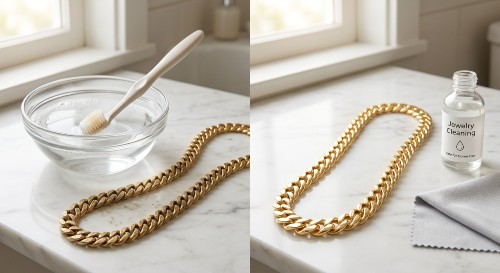
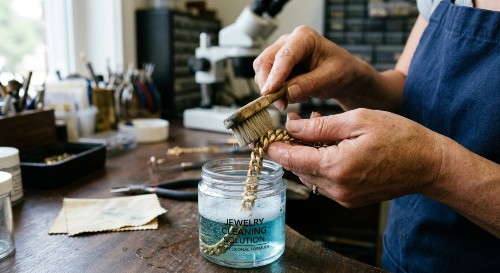
The absolute best way to clean a standard gold chain at home is to soak it in a small bowl of warm water mixed with a few drops of mild dish soap for 15 to 20 minutes. Gently brush the links with an extra-soft toothbrush, rinse thoroughly under lukewarm water, and pat it dry with a lint-free microfiber cloth.
In this comprehensive guide, you will discover why gold chains lose their luster, how to clean different gold alloys (yellow, white, and rose gold), specialized care steps for delicate or hollow links, critical mistakes to avoid, and simple daily habits to keep your jewelry sparkling for years to come.
Why Do Gold Chains Get Dull or Dirty?
Pure gold (24 karat) does not tarnish, rust, or corrode because it is a chemically noble metal. However, pure gold is far too soft to craft into everyday jewelry. To make a durable chain that holds its shape, jewelers alloy pure gold with strength-building metals like copper, silver, nickel, and zinc.
Because your gold chain contains these alloy metals, it reacts over time to external factors:
- Body Oils & Sweat: Sweat contains salt and organic acids that react with alloy metals (especially copper), leaving behind a dark film.
- Personal Care Products: Lotions, perfumes, colognes, hairsprays, and deodorants trap dust particles against the intricate links of your chain.
- Daily Environmental Grime: Dead skin cells, cooking oils, and environmental pollution slowly settle inside the hard-to-reach crevices between each metal link.
- Chemical Exposure: Chlorine from swimming pools and cleaning products containing bleach cause gold alloys to break down, crack, or discolor permanently.
Understanding what makes your chain dirty helps you choose the right cleaning method without risking damage.
The Best Home Cleaning Methods for Gold Chains
Depending on what you have in your kitchen or bathroom cabinet, you can safely clean your gold chain using household items. Let us go through the safest and most effective methods step by step.
The Soap & Water Method
Safest Everyday Cleaning • Ideal for solid yellow gold, rose gold, and routine careA mild soap-and-water wash is a simple choice for removing everyday oils and grime from many solid-gold chains without relying on harsh chemicals or abrasive cleaners.
Items Needed
- 1 small bowl
- Lukewarm water — never boiling
- 3–4 drops of mild, additive-free dish soap
- 1 extra-soft toothbrush or baby toothbrush
- 1 clean microfiber or lint-free cotton cloth
- 1 strainer or sink stopper
Step-by-Step Instructions
- Prepare the Solution: Fill the bowl with lukewarm water and add 3–4 drops of mild liquid dish soap. Mix gently.
- Soak the Chain: Submerge the chain and let it soak for 15–20 minutes. This helps loosen oils and accumulated surface grime.
- Brush Gently: Remove the chain and hold it securely. Use an extra-soft toothbrush with light strokes, paying attention to the links and clasp.
- Rinse Safely: Close or cover the sink drain before rinsing. Wash the chain under clean lukewarm water until no soap residue remains.
- Dry Thoroughly: Pat the chain dry with a soft microfiber cloth. Allow it to air-dry completely before wearing or storing it.
The Gentle Club Soda Method
Extra Shine Boost • Suitable for intricate links with built-up surface greasePlain, unflavored sparkling water or club soda can be used as an alternative to plain water during a gentle cleaning routine. The carbonation may help loosen some surface residue, although it should not replace careful brushing and rinsing.
Step-by-Step Instructions
- Fill a Glass: Pour plain, unflavored club soda or sparkling water into a clean glass or bowl.
- Add Mild Soap: Add about 2 drops of mild liquid dish detergent and stir gently.
- Soak for 10–15 Minutes: Place the chain in the solution to help loosen surface oils and grime.
- Soft Brush & Rinse: Gently brush the links with a soft toothbrush. Rinse thoroughly with clean water while keeping the drain closed or covered.
- Dry: Pat the chain dry with a soft microfiber cloth and allow it to dry completely before storage.
The Warm Water & Baking Soda Method
For Stubborn Surface Film • Use cautiously on lower-karat goldBaking soda is mildly abrasive, so it should not be treated as a universal gold-cleaning solution. If used, keep contact gentle and avoid vigorous rubbing, especially on polished, plated, or delicate jewelry.
Step-by-Step Instructions
- Make a Gentle Paste: Mix a small amount of baking soda with a few drops of water to create a smooth, thin paste.
- Apply Lightly: Apply a very small amount to the chain using your fingertips. Avoid aggressive brushing or scrubbing.
- Rinse with Warm Water: Rinse the chain thoroughly with lukewarm water, making sure no baking soda residue remains between the links.
- Dry and Polish: Pat the chain dry with a lint-free jewelry cloth. Use gentle wiping rather than vigorous buffing.
Cleaning Specific Types of Gold Chains
Not all gold chains are built the same. A solid 18K yellow gold snake chain requires a different cleaning approach than a hollow white gold chain or a rose gold piece.
| Gold Type / Style | Cleaning Sensitivity Level | Recommended Method | Key Precaution to Keep in Mind |
| Solid Yellow Gold (10K – 18K) | Low | Warm Water + Dish Soap | Safe for frequent cleaning; avoid abrasive scrubbers. |
| White Gold | Moderate | Mild Soap + Warm Water Soak | Never scrub hard; gentle brushing preserves the thin Rhodium plating layer. |
| Rose Gold | Low to Moderate | Mild Dish Soap & Soft Cloth | Avoid acidic cleaners (vinegar, lemon juice) which react with high copper content. |
| Hollow Gold Chains | High | Quick Soap Damp Wipe | Do not submerge in water. Water gets trapped inside hollow links and causes damage. |
| Chains with Gemstones/Diamonds | Moderate to High | Mild Soap + Extra Soft Brush | Inspect claw settings before cleaning; avoid soaking soft stones like pearls or opals. |
1. Yellow Gold Chains
Yellow gold is the most classic and resilient option. Solid 10K, 14K, and 18K yellow gold handle standard soap-and-water soaking extremely well. However, keep in mind that higher karat gold (such as 18K or 22K) is softer, so use only soft-bristled brushes to avoid fine surface scratches.
2. White Gold Chains
White gold gets its bright silver hue from a combination of gold, white metals (like palladium or nickel), and a thin outer plating of Rhodium. Rhodium gives white gold its reflective shine and scratch resistance.
When cleaning white gold:
- Use warm water and mild soap only.
- Never use toothpaste, baking soda, or stiff brushes—these strip away the delicate rhodium layer faster.
- Expect to re-plate white gold chains with rhodium every 1 to 3 years to maintain their silvery luster.
3. Rose Gold Chains
Rose gold gains its signature pinkish tint from a rich blend of pure gold and copper. Because copper oxidizes when exposed to strong chemicals or acids, never use baking soda, lemon juice, or vinegar mixtures on rose gold. A brief soak in mild soapy warm water is all you need.
4. Delicate & Hollow Gold Chains
Hollow gold chains are manufactured with empty space inside each link to keep the piece lightweight and affordable. However, hollow links present a unique cleaning challenge: if water gets inside hollow links, it gets trapped, causes internal pressure damage, or creates foul odors.
- How to clean hollow chains: Do not submerge them in a bowl of water. Instead, dip a soft microfiber cloth in warm soapy water, wring out all excess liquid so it is merely damp, and gently wipe down the surface of the chain. Wipe again with a water-dampened cloth, and pat completely dry immediately.
Critical Mistakes: How NOT to Clean Your Gold Chain
When trying to quickly restore shine to a favorite chain, well-meaning jewelry owners often turn to DIY internet hacks that cause permanent damage. Here are the worst offenders you must avoid:
- Toothpaste: Toothpaste contains harsh abrasive particles designed to scrub enamel. On precious metals, toothpaste creates microscopic surface scratches that dull the mirror finish over time.
- Boiling Water: Extreme temperature changes cause rapid metal expansion, which can strain delicate chain welds, crack solder joints, or fracture embedded gemstones.
- Bleach, Chlorine & Ammonia: Household bleach and pool chlorine chemically react with alloy metals inside gold chains. Chlorine causes stress corrosion cracking, making chain links brittle and prone to snapping suddenly.
- Baking Soda & Vinegar Reactions: While baking soda and vinegar are popular home cleaning solutions, the violent fizzing reaction can dislodge delicate gemstones or weaken hollow link seams.
- Paper Towels & Tissues: Wood-pulp paper products contain abrasive fibers that leave micro-scratches on polished gold surfaces. Always use microfiber or 100% cotton jewelry polishing cloths.
How to Clean Different Chain Link Styles safely
Different chain constructions trap dirt in different ways:
Box & Venetian Chains
These square links fit closely together, trapping dirt in the interior corners. Soaking for a full 20 minutes is essential to loosen hidden debris before gentle brushing.
Cuban, Curb & Figaro Chains
Flat-linked chains accumulate grease on their broad surfaces. Use a microfiber polishing cloth in long, linear strokes along the length of the chain to restore high reflectivity.
Snake & Herringbone Chains
These smooth, tightly interwoven chains do not bend easily. Never twist, bend sharply, or brush aggressively across snake or herringbone links. Doing so creates permanent kinks that cannot be repaired without replacing links. Wipe them flat along their natural curve using a soft damp cloth.
When Should You Take Your Chain to a Professional Jeweler?
While home cleaning handles 90% of routine maintenance, certain situations require professional attention:
- Deep Surface Scratches: DIY cleaning removes dirt and oil, but it cannot remove physical metal scratches. A professional jeweler uses motorized polishing wheels and rouge compounds to buff out surface wear.
- Weakened Clasps or Loose Prongs: If your lobster clasp feels loose, spring rings stick open, or pendant prongs wobble, take it to a jeweler for repair before cleaning.
- Antique or Vintage Gold: Vintage chains crafted before 1950 may feature delicate soldering or soft organic accents that require specialized ultrasonic or steam cleaning.
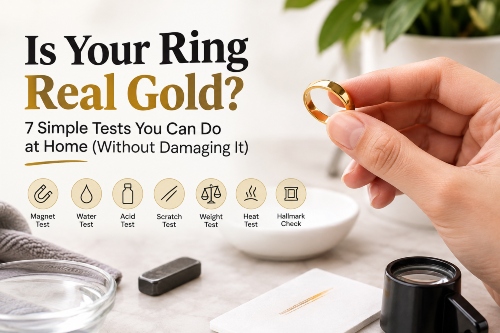
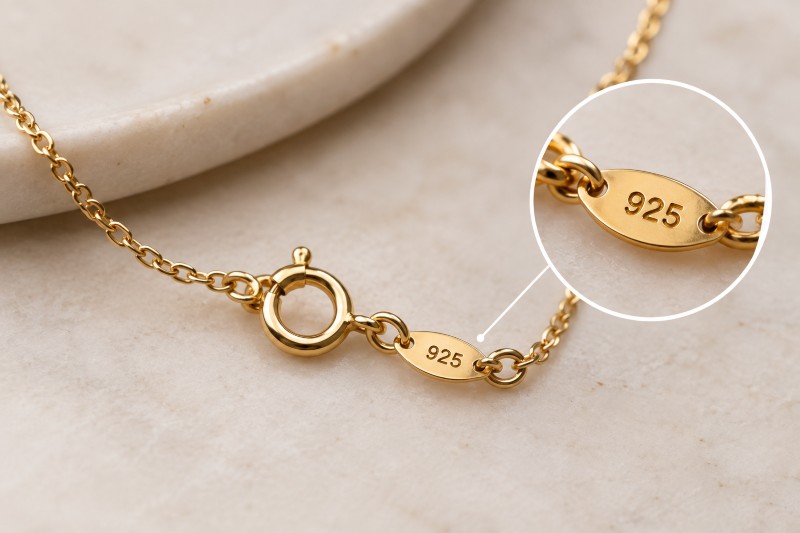
- Heavy Tarnish on Plated Chains: If you are unsure whether your chain is solid gold or gold-plated, aggressive home cleaning can strip the surface plating. You can verify if your piece is solid gold through simple, safe authentication methods.
Pro Tips to Keep Your Gold Chain Clean Longer
Preventative maintenance saves you time and keeps your jewelry looking pristine day in and day out:
- Follow the “Last On, First Off” Rule: Always put your gold chain on after applying makeup, lotion, hairspray, and perfume. Take it off first before starting your evening skincare routine.
- Wipe After Every Wear: Keep a soft microfiber jewelry cloth on your nightstand. Giving your chain a 5-second wipe-down at the end of the day removes body oils before they harden.
- Store Separately:Prevent tangling and scratching by hanging your gold chain on a vertical jewelry tree or storing it flat in an individual soft velvet pouch.
- Remove Before Workouts & Swimming: Sweat, heavy lifting friction, and chlorinated pool water accelerate wear and tear. Always remove gold chains before hitting the gym or pool.
Related Jewelry Care Guides
If you found this guide helpful, explore our related jewelry maintenance, sizing, and authentication resources on The Jewelry Care:
- Learn how to verify your jewelry purity before cleaning with our guide on how to tell if a ring is real gold.
- Ensure your bracelets fit comfortably alongside your chains by checking our guide on how to measure bangle size accurately.
- Explore silver care techniques, styles, and benefits in our comprehensive article on what is a silver bracelet.
Frequently Asked Questions (FAQs)
Can I clean my gold chain with vinegar?
It is not recommended. Vinegar is acidic and can react negatively with base alloy metals (like copper and zinc) found in 10K, 14K, and rose gold chains. Stick to mild dish soap and warm water for guaranteed safety.
How often should I clean my gold chain?
If you wear your gold chain daily, give it a simple dish soap soak every 2 to 4 weeks. Giving it a quick daily wipe with a soft cloth will keep it clean much longer between deep washes.
Will boiling water damage a real gold chain?
Yes, boiling water can cause structural damage. While gold itself melts at extremely high temperatures, sudden extreme heat weakens solder joints, damages clasps, and cracks any embedded precious gemstones. Always use lukewarm or comfortable warm water.
Why did my gold chain turn my neck green or black?
Pure gold does not discolor skin. However, lower karat gold (like 10K or 14K) contains copper and silver alloys that can react with acidic sweat, body lotions, or atmospheric sulfur to create dark copper salts on skin. Cleaning your chain regularly reduces this reaction significantly.
Is an ultrasonic cleaner safe for gold chains?
Ultrasonic cleaners use high-frequency sound waves to dislodge grime and work well for solid gold chains with no stones. However, do not use ultrasonic cleaners if your chain features gemstones (especially soft ones like emeralds, opals, or pearls) or delicate hollow links, as the intense vibrations can loosen settings or break fragile metals.
Summary Takeaway
Keeping your gold chain clean and radiant does not require expensive chemicals or complex equipment.All you need is 15 minutes, warm water, a few drops of mild dish soap, a soft toothbrush, and a lint-free cloth.Soak, brush gently, rinse thoroughly, and dry completely.By avoiding harsh abrasives like toothpaste and protecting your jewelry from chlorine and heavy lotions, your favorite gold chain will continue to shine like new for decades.

 By